Use a collapsible crate, sturdy panniers, or a backpack with a waist belt. Schedule heavy shops when car‑share rates are low, or try cargo bikes for big hauls. Many markets deliver; combine delivery windows with transit errands so everything lands smoothly without last‑minute scrambles.
Choose kid seats, trailers, or long‑tail bikes for school runs. Confirm transit elevators and station accessibility before commitments. For pets, carry a collapsible bowl and a towel. One parent shared calmer mornings after switching to a school‑day bike train with neighbors, building community while moving safely together.
Plan safe routes with good lighting, active sidewalks, and reliable frequencies. Stash reflective gear and a compact umbrella. When storms threaten, pre‑book a shared car near your endpoint. Knowing you have dignified options keeps friendships, concerts, and dinners joyful instead of complicated by forecasts.
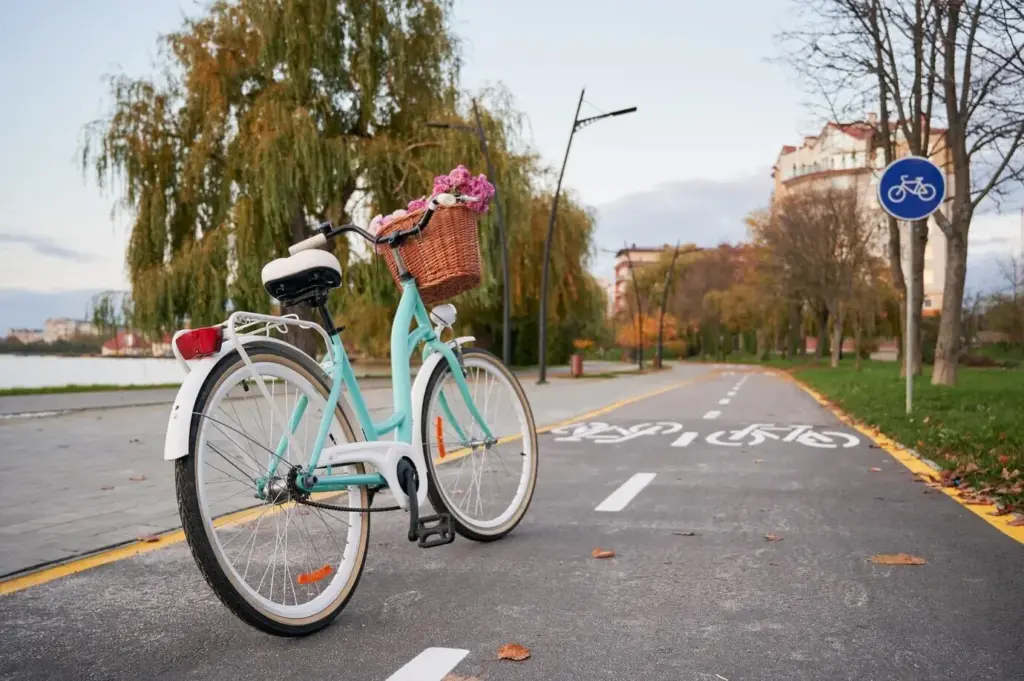
Transportation is a top emissions source. Replacing solo car trips with transit and bikes slashes footprints and frees asphalt for parks and housing. One block converted parking lanes into a protected bikeway and cafe seating, attracting families, boosting sales, and making evenings lively instead of gridlocked.
Spending shifts toward local services when money is not tied up in car payments, gas, or insurance. Reliable transit and safe cycling expand opportunity for students, seniors, and essential workers. Support pilots, community rides, and safe‑routes programs that connect every neighborhood with dignity and affordability.