Streets That Move People, Not Just Cars

Today we explore designing cities for shared mobility and car-light lifestyles, turning everyday trips into easy, affordable, and joyful journeys. We’ll connect practical design moves with lived experience, from curb changes to transit upgrades you can champion locally. Share your ideas, questions, and neighborhood experiments, and subscribe to follow new case studies, playbooks, and honest lessons from places that have already made the leap.

From Lanes to Places: Reclaiming Streets and Curbs
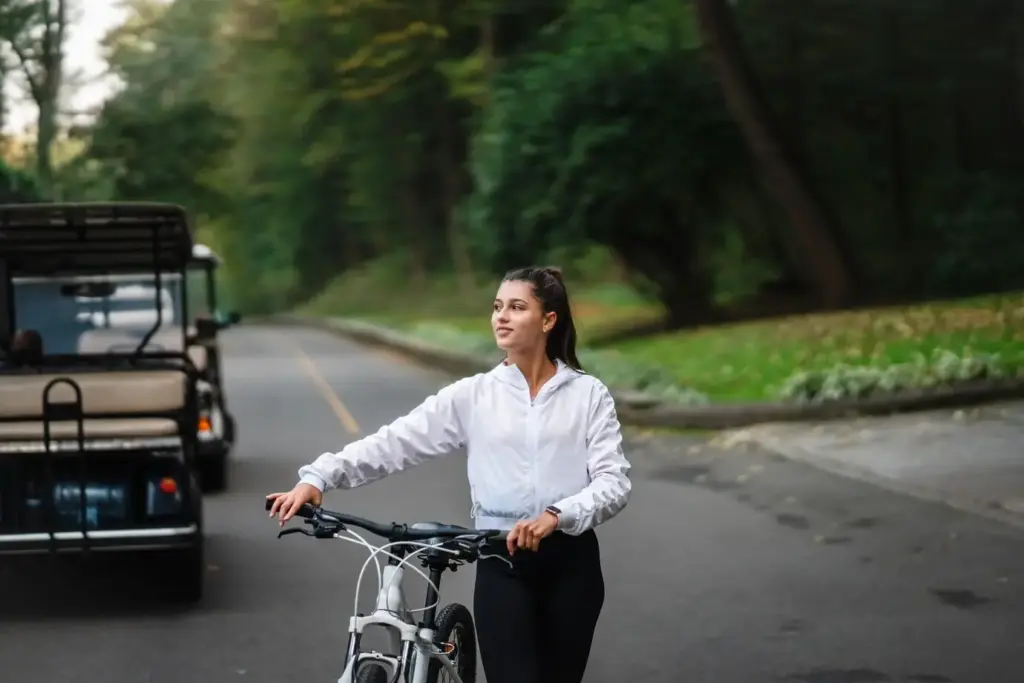
When curbs serve people rather than idle metal, entire blocks come to life. Think quick pickup bays, micromobility parking, trees, café seating, and reliable bus stops replacing endless storage for cars. The same asphalt can host deliveries, school drop-offs, festivals, and safe crossings in clearly scheduled windows. Tell us what your curb does at noon versus midnight, and where one simple change could unlock a cascade of small, joyful routines.

Transit as the Everyday Choice

High-frequency, all-day reliability beats confusing schedules every time. When buses glide past congestion and metros connect seamlessly with bikeshare, the path of least resistance becomes the most sustainable. Wayfinding should be crystal clear, stations comfortable, and transfers simple. Add off-board fare collection, far-side stops, and transit signal priority, and commute times drop dramatically. Comment with your worst transfer pain point, and we’ll crowdsource fixes from readers and practitioners who solved it.

Micromobility, Walking, and the 10-Minute Life

Protected routes, shaded sidewalks, and low-traffic neighborhoods unlock short trips that feel carefree at any age. E-bikes flatten hills, cargo bikes replace second cars, and safe crossings knit everything together. When errands, schools, and parks sit within minutes, people naturally choose the gentlest option. Help us crowdmap missing links on your daily path, and share stories of the moments when a calm, protected segment transformed an anxious ride into a confident habit.

01

Protected Networks That Feel Safe at Eight

If a child can pedal comfortably, everyone can. Physical protection at intersections, continuous lanes past driveways, and clear sightlines remove the most intimidating risks. Add gentle speed limits and daylighted corners, and near-misses plummet. Parents begin allowing independent trips, and neighbors rediscover casual encounters. Show us the scariest pinch point in your neighborhood network, and we’ll outline low-cost fixes that quickly turn hesitation into daily, shared movement.

02

E-bikes and Cargo Solutions for Families and Shops

E-assist unlocks longer trips, steeper routes, and bulkier loads without sweat or strain. Families can haul groceries, kids, and sports gear; shop owners can deliver locally without vans. Provide secure parking, charging, and freight microhubs, and adoption jumps. Pair incentives with training rides, and confidence follows. What everyday car errand could an e-cargo bike replace for you? Share your use case, and we’ll highlight practical setups readers swear by.

03

Sidewalks, Crossings, Trees, and Shade

Walkability lives in details: continuous sidewalks, curb extensions, frequent crossings, tactile guidance, benches, lighting, and protective tree canopies that cool summer heat. Midblock shortcuts and open passages shrink detours. When walkers feel respected, corner stores thrive and streets stay lively late. Tell us where a missing crosswalk, bench, or tree line would most improve your routine, and we’ll compile quick wins that communities can budget and deliver within months.

Homes Near Everything: Land Use for Fewer Car Trips

Housing, jobs, schools, healthcare, and groceries should be bundled by design, not separated by wide roads. Gentle density near transit, mixed-use streets, and ground-floor activity make short trips obvious. Reforming setbacks and allowing accessory units fill the “missing middle” and boost affordability. Tell us which zoning rule blocks small, practical homes in your area, and we’ll share tools and examples showing how other places removed barriers without losing neighborhood character.

Transit-Oriented Density Done with Care

Great station areas combine mid-rise housing, affordable units, childcare, and everyday services within a pleasant, shaded walk. Good design calibrates height transitions, manages loading, and protects local culture with storefront leases and community benefits. Residents gain time, not just proximity. If your station is ringed by parking or vacant lots, imagine homes above shops with safe bike links. Share what feels missing, and we’ll highlight design moves that balance needs gracefully.

Mixed Uses Bring Errands Close

Corner cafés, clinics, grocers, and workshops downstairs transform weekdays. You grab bread, repair a phone, and meet a friend without planning a drive. Clear loading windows keep deliveries tidy; noise rules preserve calm evenings. The payoff is everyday convenience and lively sidewalks. Which essential service is too far from your home today? Tell us, and we’ll explore policy changes that invite it closer while supporting existing neighbors and small businesses.

Rethinking Minimums: Parking as a Choice, Not a Mandate

Automatic parking quotas inflate costs and erase space for courtyards, trees, studios, and ramps. Let projects right-size parking based on location and real demand, pairing shared lots and unbundled leases with transit benefits. Residents who do not drive should not subsidize empty stalls. Where could reduced parking requirements unlock more homes or community space near you? Share examples, and we’ll feature policy templates that have already passed in peer cities.

Digital Layers: MaaS, Data, and Coordination

A single, respectful digital layer can stitch buses, bikes, scooters, shuttles, and walking guidance into one intuitive experience. Open standards keep vendors honest; privacy-by-design protects dignity. Agencies, startups, and communities should share goals, not just data. With clear APIs, accessibility features, and fare capping, people glide from door to door. Tell us which app feature would remove your biggest daily friction, and we’ll gather examples cities implemented successfully.

Mobility-as-a-Service That Respects Privacy

Account-based systems should minimize tracking, encrypt identifiers, and let riders opt out of unnecessary data sharing. Inclusive design means screen-reader support, multilingual prompts, and cash-loading options at corner stores. When dignity and convenience coexist, adoption grows. Consider how your city could pair strong privacy rules with better trip planning. Share your concerns, and we’ll outline procurement language and oversight models that keep convenience high while keeping surveillance risks low.

Open Standards and APIs Connect the Dots

Standards like GBFS, GTFS, and MDS let cities understand fleets, publish schedules, and coordinate curb use without vendor lock-in. When operators speak the same data language, riders get accurate arrivals, safer deployments, and transparent reporting. Add public dashboards and community feedback loops, and trust improves. Which dataset would most help your neighborhood advocate for improvements? Tell us, and we’ll point to open tools you can use immediately.

Smart, Fair, Dynamic Pricing

Prices signal priorities. Right-priced curbs, congestion zones, and shared-ride discounts reduce gridlock while funding safer streets. Equity safeguards—like income-based caps, geographic protections, and off-peak discounts—keep access broad. Pilot, measure, and iterate to avoid surprises. If your city considered new pricing, what fairness rule would make it feel respectful and effective? Share ideas, and we’ll compile a checklist that decision-makers can implement with confidence and care.

Culture, Safety, and Everyday Joy

Design changes stick when people feel invited, respected, and delighted. Vision Zero needs forgiving geometry and slow speeds, not blame. Street festivals, open streets, and playful wayfinding let neighbors try new modes without pressure. Schools, employers, and local shops can champion commute options through incentives and secure parking. Share your favorite joyful street moments, and subscribe to get toolkits that help your block build safer routines that last.

01

Vision Zero by Design, Not Enforcement Alone

Self-explaining streets save lives. Narrowed lanes, corner radius reductions, raised crossings, and protected intersections lower speeds without tickets. Nighttime lighting and clear markings lift confidence for walkers and riders. Measure near-misses, not just crashes, to learn faster. Where does your neighborhood feel risky at dusk or school drop-off? Tell us, and we’ll share quick-build geometric fixes that reduce stress immediately while long-term reconstruction plans advance deliberately.

02

Stories, Festivals, and Trials That Win Hearts

Culture shifts through shared experiences. Open street days, neighborhood cargo-bike tryouts, and storytelling walls surface quiet champions and practical concerns. A grandmother’s first e-trike ride can change a council vote more than a spreadsheet. Capture before-and-after photos and invite skeptics early. What low-stakes event could your block host next month? Share a date, and we’ll send a checklist and sample outreach notes to spark momentum quickly and kindly.

03

Schools and Employers as Powerful Champions

Travel habits form where routines begin. Safe routes, bike buses, transit stipends, and flexible start times shift demand at the source. Secure parking and showers help, as do guaranteed ride home programs. Employers win with reliable arrivals and healthier teams; families gain independence. Which policy could your school or workplace adopt this semester? Comment with a champion’s name, and we’ll provide templates for pledges, pilots, and measurable goals.

Kumufepulinimufiva
Privacy Overview

This website uses cookies so that we can provide you with the best user experience possible. Cookie information is stored in your browser and performs functions such as recognising you when you return to our website and helping our team to understand which sections of the website you find most interesting and useful.